
Weighted Blanket
99,00 €
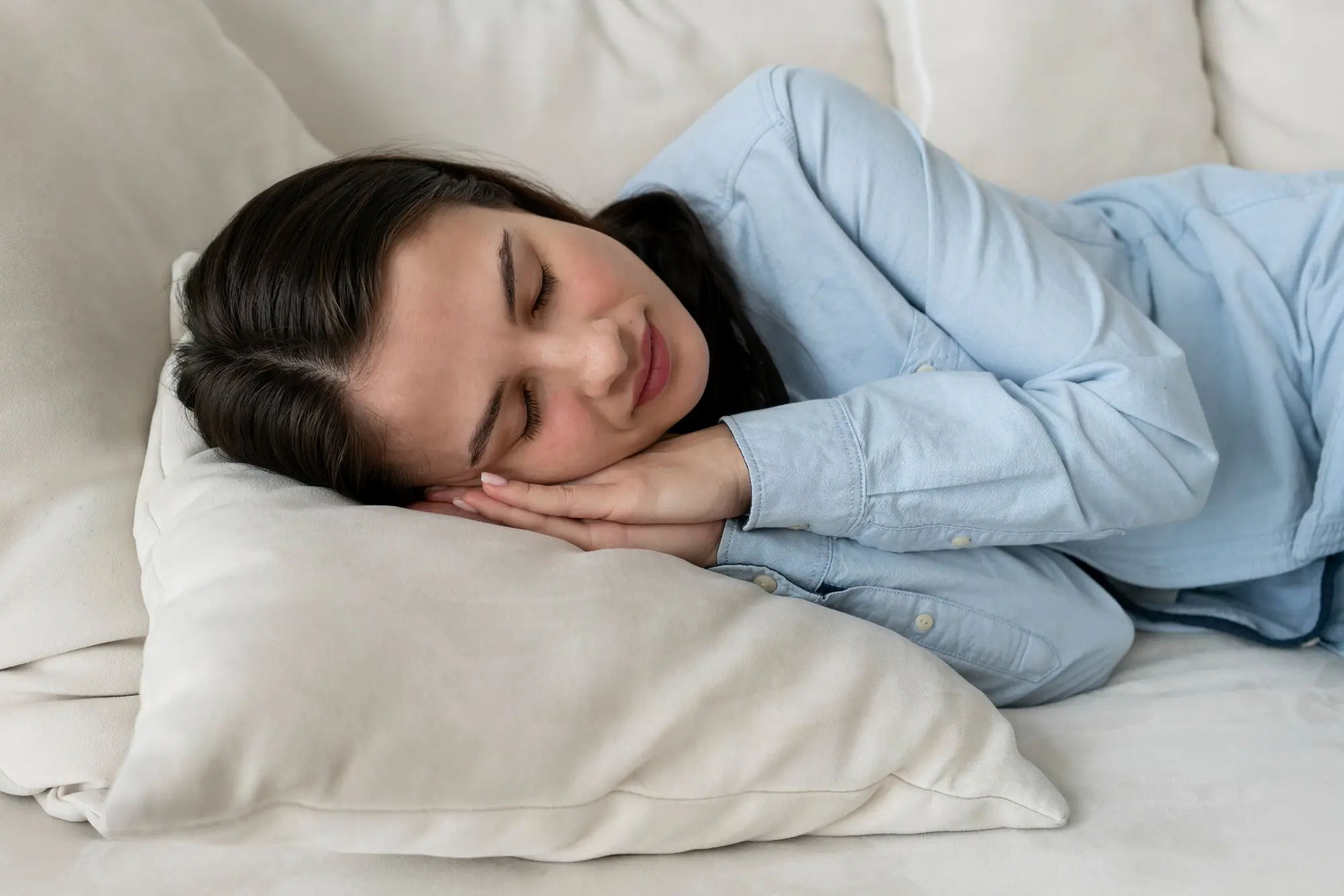
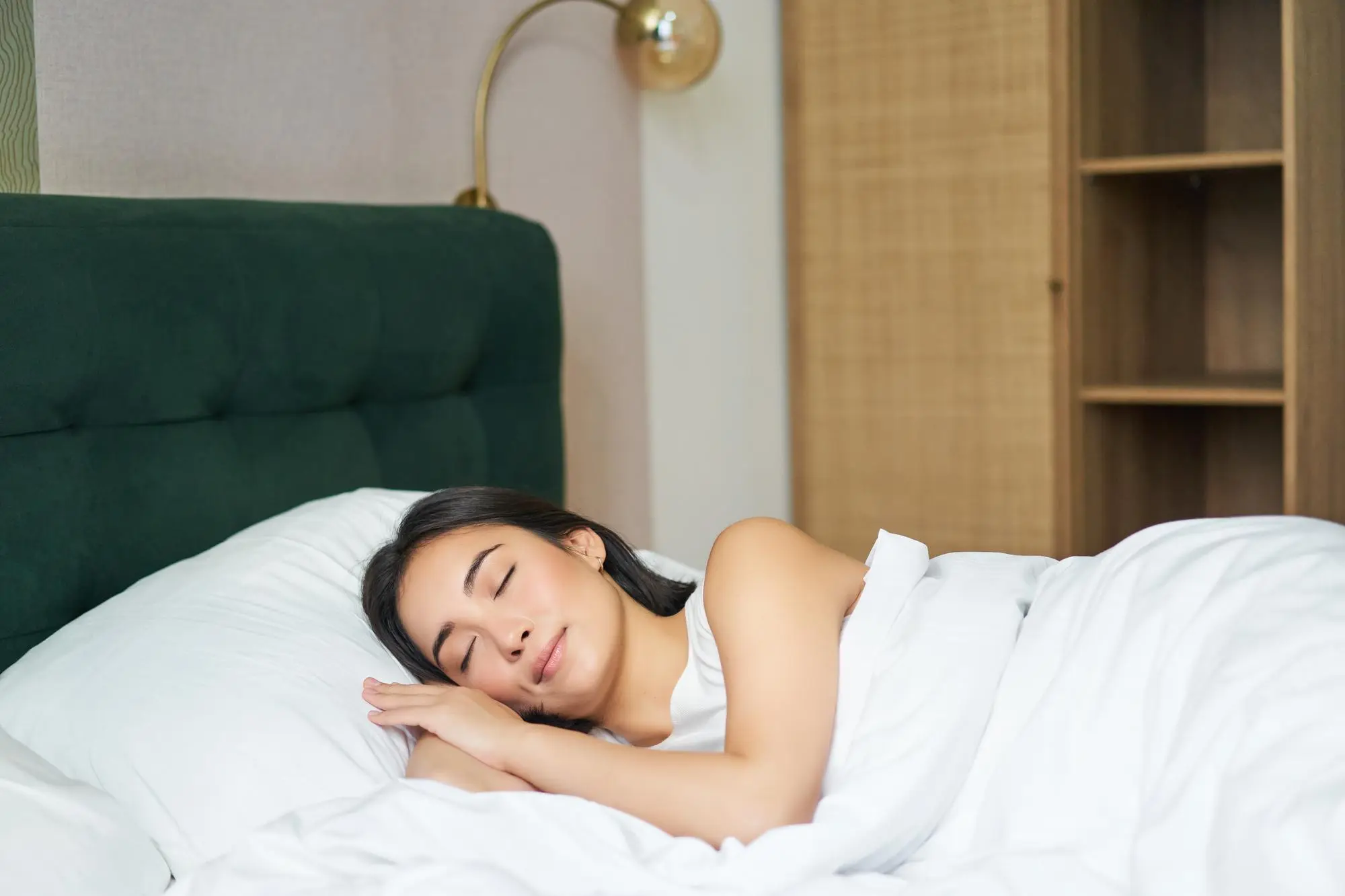
This blanket is designed for individuals with mild to moderate sleep issues, promoting falling asleep faster and maintaining continuous sleep.


Technical Features
- Weight: 4 kg
- Color options: Blue / Black / Red
- Dimensions: 200×130 cm (double size, not king size)
- Material: polypropylene
HOW IT WORKS
A weighted blanket is a therapeutic device that uses deep pressure stimulation (DPS), a technique designed to influence the autonomic nervous system. DPS applies constant and evenly distributed physical pressure across the body, affecting neurobiological structures related to mood regulation and sensory perception.
- Autonomic Nervous System (ANS): Deep pressure stimulation influences the ANS, particularly the parasympathetic nervous system. This stimulation helps reduce sympathetic nervous system activation (responsible for the “fight or flight” response) and enhance parasympathetic activity, which promotes relaxation and recovery.
- Neurotransmitter release: DPS is associated with increased levels of serotonin and dopamine, neurotransmitters that regulate mood, sleep, and well-being. Additionally, it has been observed to reduce cortisol levels, the stress hormone.
- Proprioception: The pressure applied by the blanket stimulates proprioceptive receptors (located in muscles, tendons, and joints), sending signals to the brain. This enhances body awareness, leading to a calming effect similar to hugs or massages.
TECHNICAL BENEFITS
- Reduction of brain electrical activity: The constant pressure helps facilitate the transition from wakefulness to sleep, reducing high-frequency brain waves (beta) and promoting low-frequency waves (theta and delta), which are associated with deep relaxation and sleep.
- Improved vagal tone: Studies suggest that DPS enhances vagus nerve activity, one of the most important nerves of the parasympathetic system. This results in lower heart rate and blood pressure, promoting a state of calmness.
CLINICAL APPLICATIONS
- Sleep disorders (insomnia, difficulty sleeping)
- Anxiety disorders and panic attacks
- Autism Spectrum Disorder (ASD)
- Attention Deficit Hyperactivity Disorder (ADHD)
- Post-Traumatic Stress Disorder (PTSD)
- The weight used (generally recommended to be about 10% of the person’s body weight).
- The quality of materials, which influences pressure distribution on the body.
RECOMMENDED FOR
- Sleep disorders: Individuals who struggle to fall asleep or wake up frequently during the night (e.g., insomnia).
- Anxiety and stress: Those suffering from generalized anxiety, panic attacks, or chronic stress may benefit from the calming sensation provided by deep pressure stimulation (DPS).
- Attention Deficit Hyperactivity Disorder (ADHD): Weighted blankets can help improve focus and reduce hyperactivity by providing consistent and calming sensory stimulation.
- Autism: For children and adults on the autism spectrum, deep pressure stimulation can reduce anxious behaviors and provide a sense of security and calmness.
- Post-Traumatic Stress Disorder (PTSD): The sense of security and containment provided by the blanket can help alleviate symptoms related to past trauma.
- Sensory processing issues: People with sensory processing disorders may find comfort in the proprioceptive stimulation offered by a weighted blanket.
- Chronic pain syndromes: Some individuals with fibromyalgia or other chronic pain conditions may experience relief, though effects vary from person to person.
NOT RECOMMENDED FOR
- Respiratory problems: Individuals with breathing difficulties (such as severe asthma or sleep apnea) might struggle with a weighted blanket, as added chest pressure could interfere with breathing.
- Heart conditions: Patients with cardiac issues or unstable blood pressure may not tolerate the compression of the blanket well.
- Reduced mobility: People with limited mobility (such as frail elderly individuals or those with physical disabilities) may not be able to remove the blanket if they feel discomfort.
- Claustrophobia: Individuals with severe claustrophobia may feel trapped or uncomfortable under a weighted blanket.
- Young children: Weighted blankets are not suitable for children under 2 years old or weighing less than 10 kg, as they pose a risk of suffocation or restricted movement.
SCIENTIFIC PERSPECTIVE
From a technical perspective, a weighted blanket utilizes sensory neuromodulation to alter nervous system responses, promoting relaxation, reducing anxiety, and improving sleep quality.
OPTIONAL CONSIDERATIONS
- Pregnancy: Pregnant women can use weighted blankets with caution, but it is recommended to consult a doctor, as weight distribution may affect certain areas of the body.
- Elderly individuals: While many seniors benefit from weighted blankets, those with mobility issues or bone fragility should use them with caution.
SCIENTIFIC SUPPORT
Several studies support the use of weighted blankets for sleep disorders, anxiety, PTSD, ADHD, and autism, but results vary depending on individual conditions.
FINAL NOTES
This translation keeps the meaning accurate, but let me know if you need any adjustments.